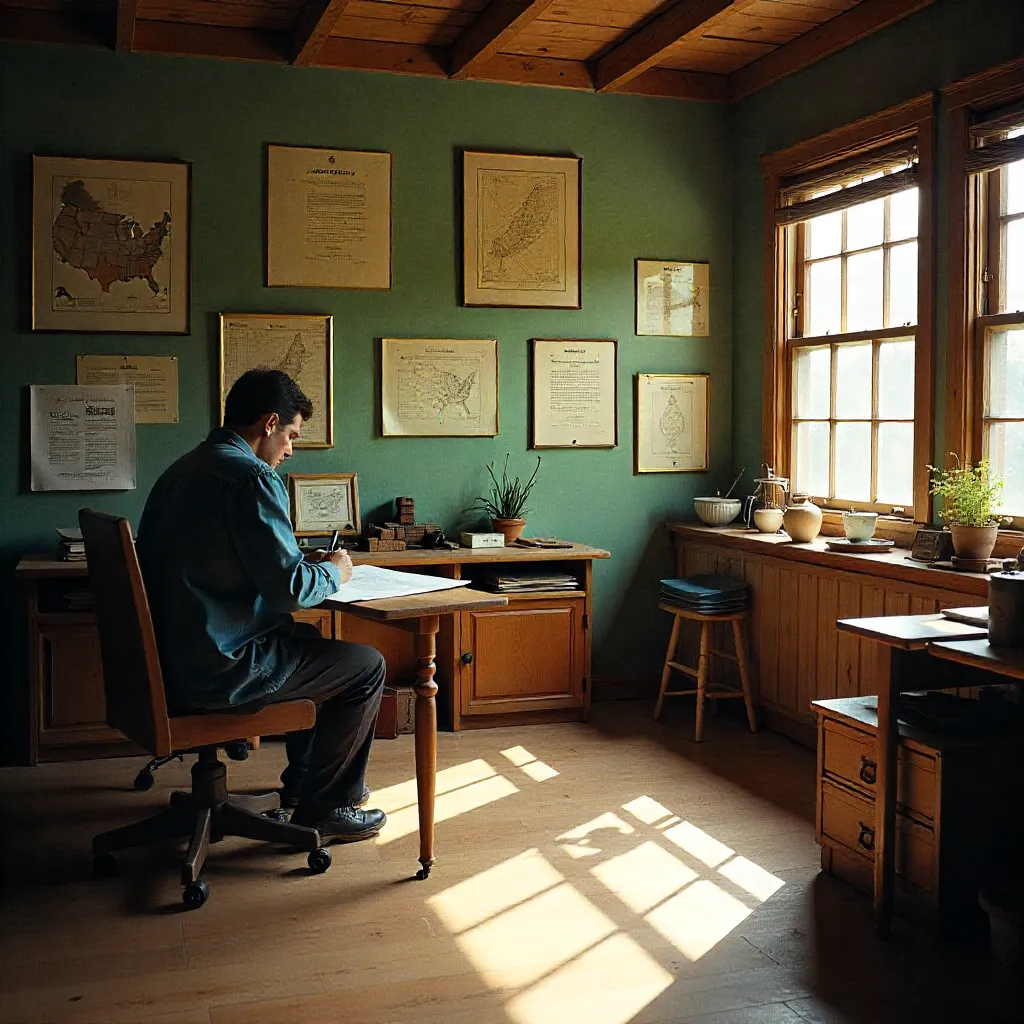
Spatial Blueprints
Top-down views and dimensional layouts that reveal the efficiency triangle. See how furniture placement and traffic flow create optimal work zones.
The Triangle of Efficiency
Effective hobby room layouts follow geometric principles. The triangle of efficiency connects your primary work surface, storage area, and secondary activity zone in an optimal configuration.
Primary Work Zone
The central activity area where most time is spent. This zone requires clear space, appropriate lighting, and immediate access to essential tools.
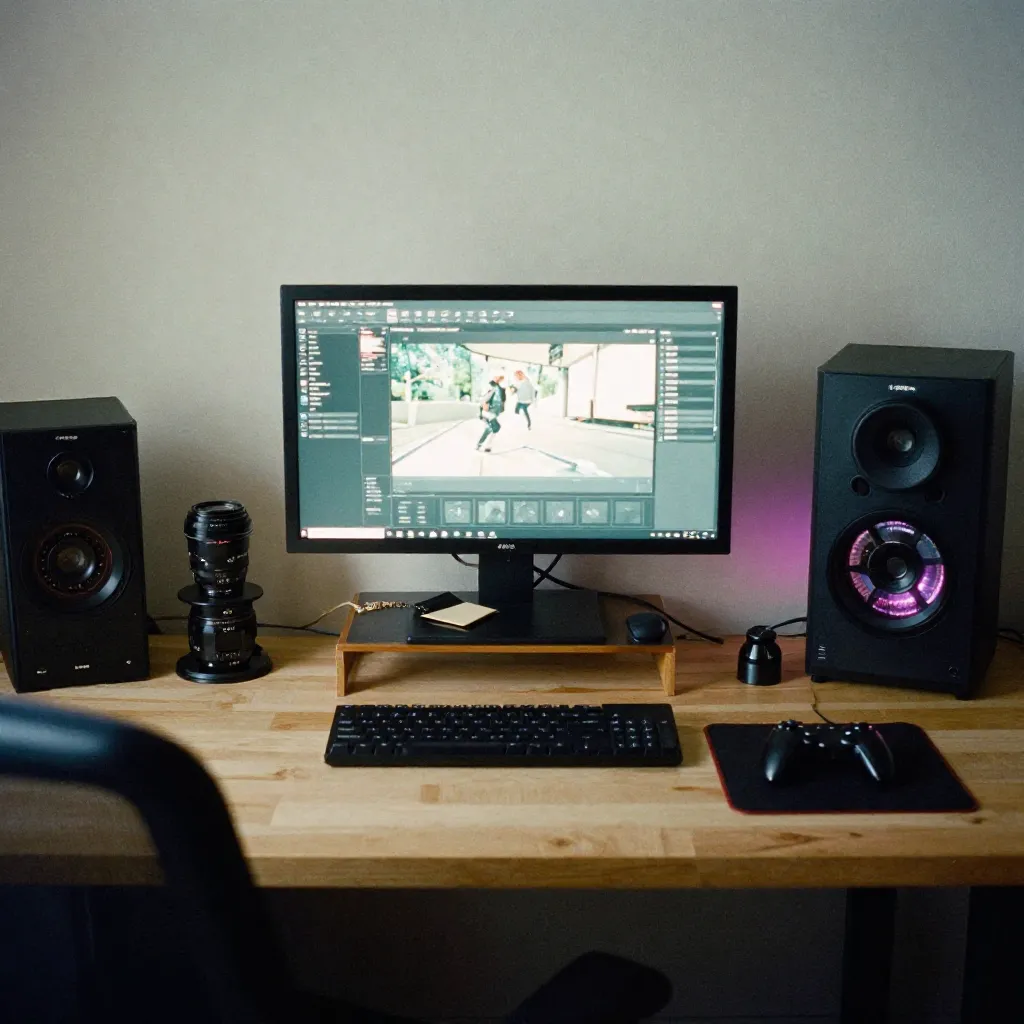
Storage Triangle
Materials and equipment positioned within comfortable reach. The distance between work surface and storage should minimize unnecessary movement.
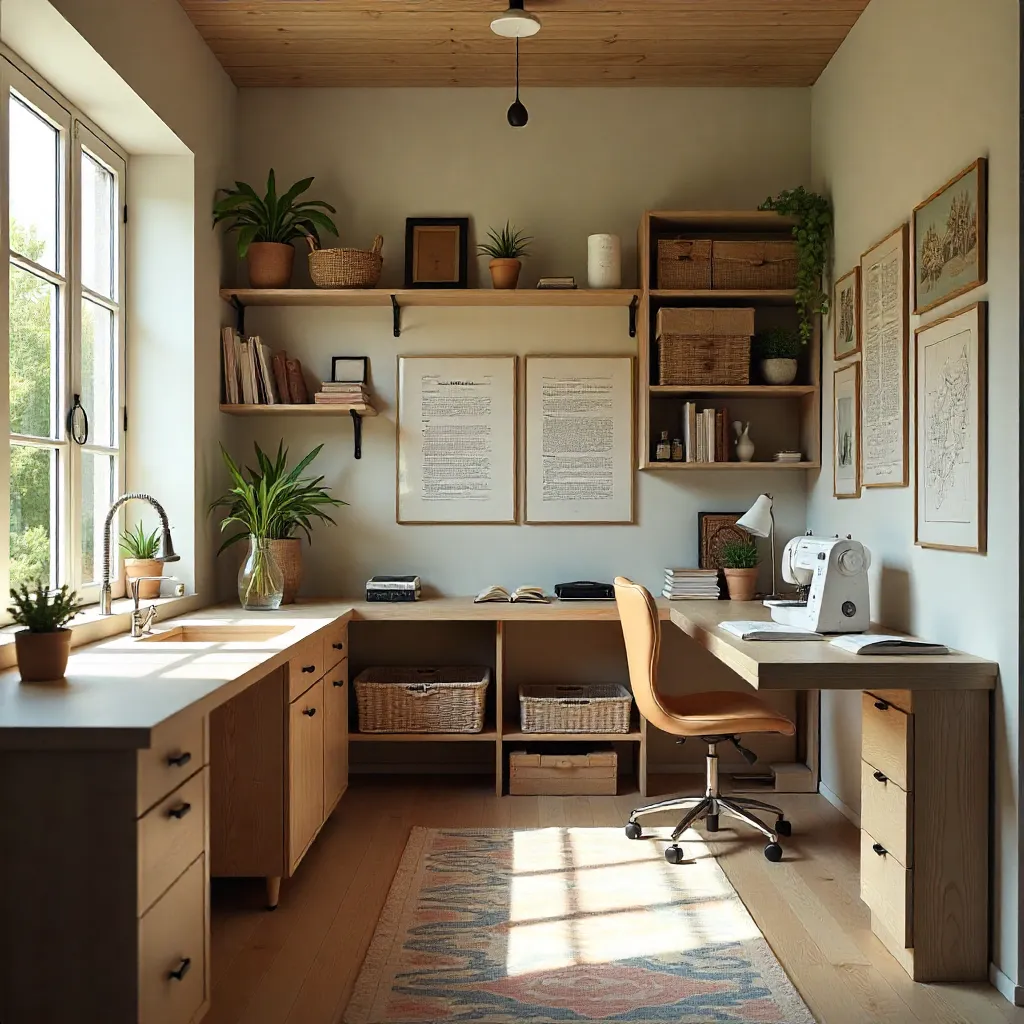
Secondary Activity Area
Support spaces for related tasks. This might include a cutting table, drying area, or additional workspace that complements the primary zone.
Layout Types
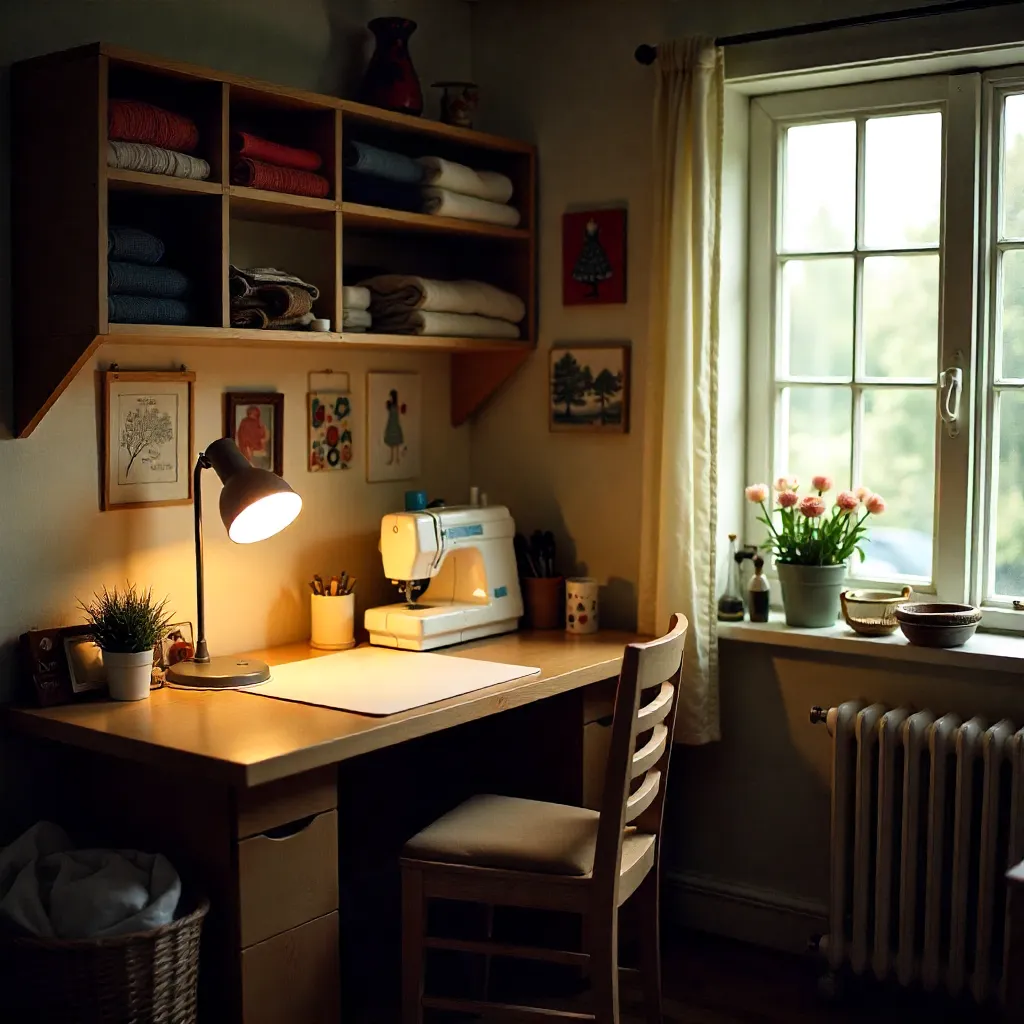
Linear Arrangement
Workspaces organized along a single wall or perimeter. Ideal for narrow rooms or when maximizing floor space is a priority.
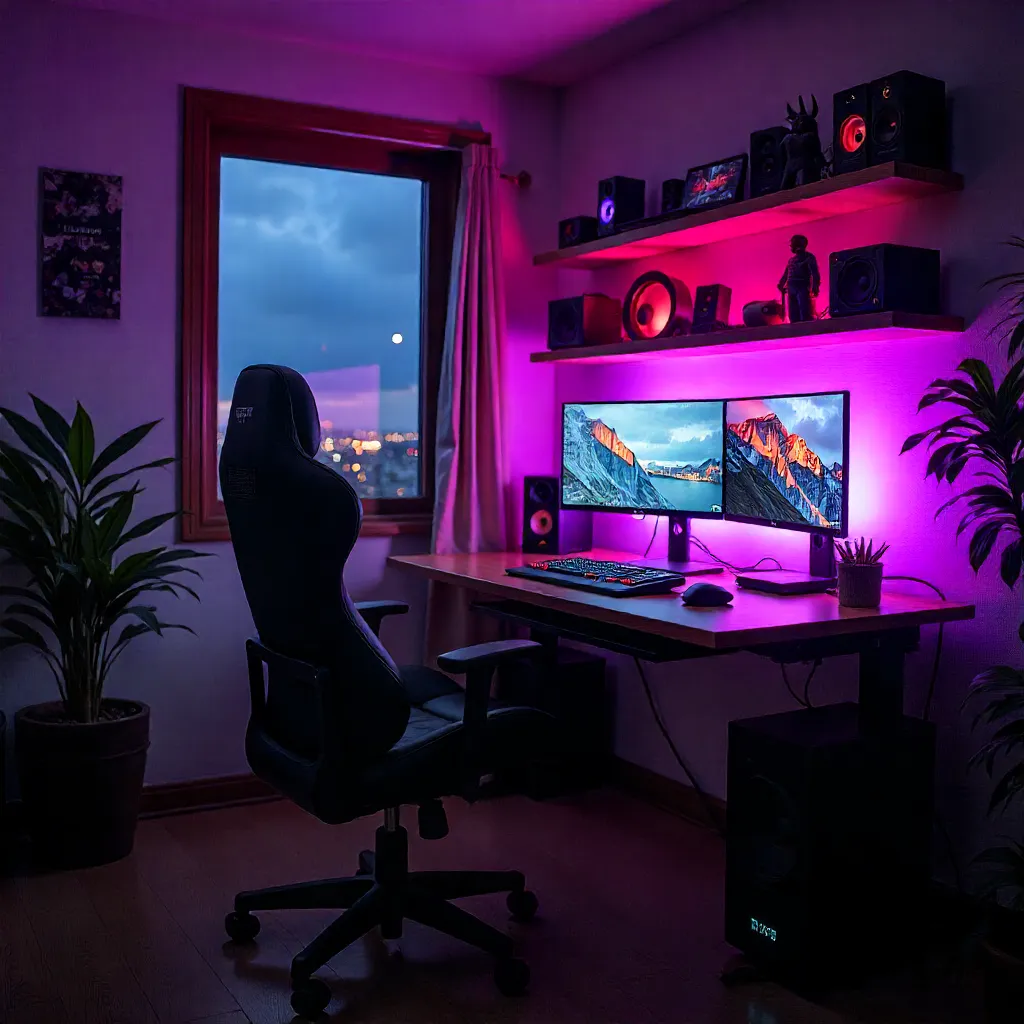
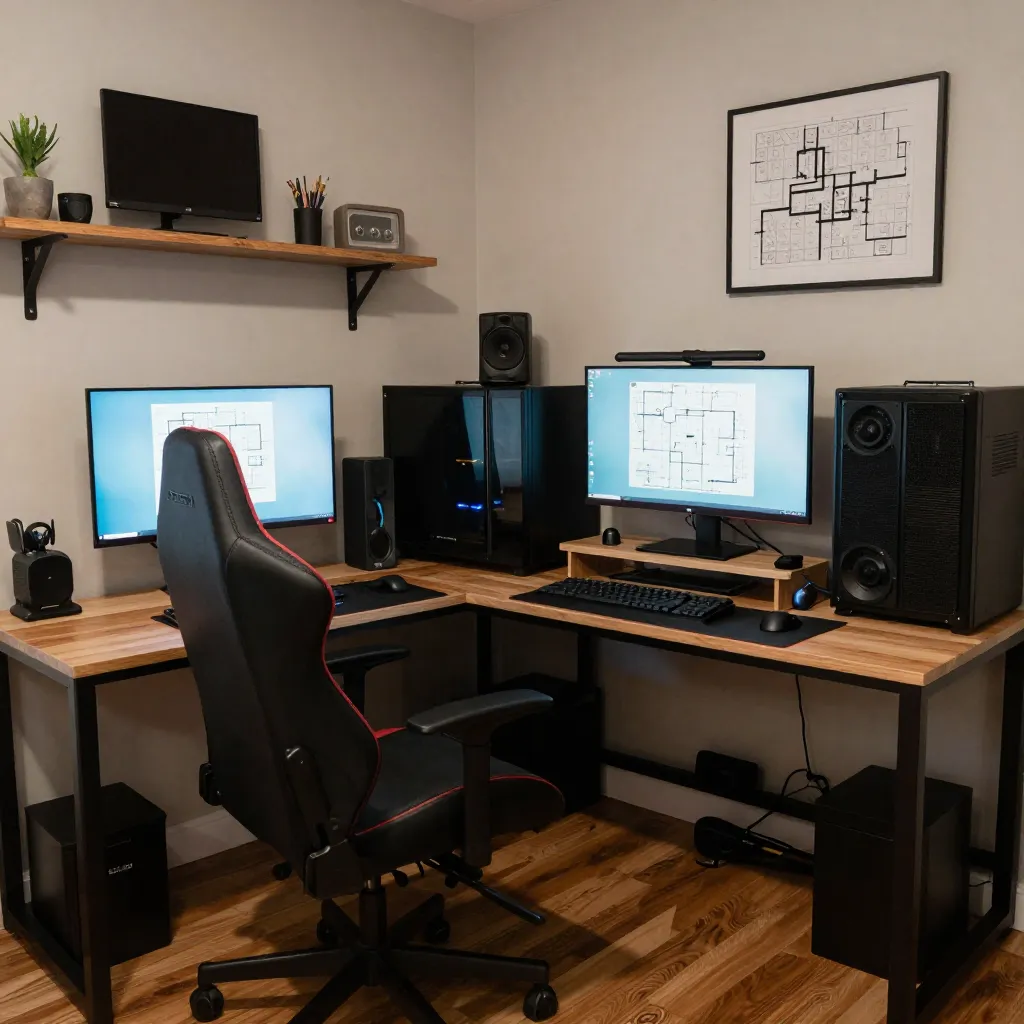
L-Shaped Configuration
Utilizes corner space effectively. Provides distinct zones while maintaining visual connection between different activity areas.
Island Layout
Central workspace surrounded by storage and support areas. Excellent for larger rooms where multiple people may work simultaneously.

U-Shaped Design
Maximum surface area with everything within arm's reach. Perfect for activities requiring multiple tools or materials simultaneously.
Dimensional Considerations
Proper spacing ensures comfort and functionality. These measurements guide our blueprint development process.
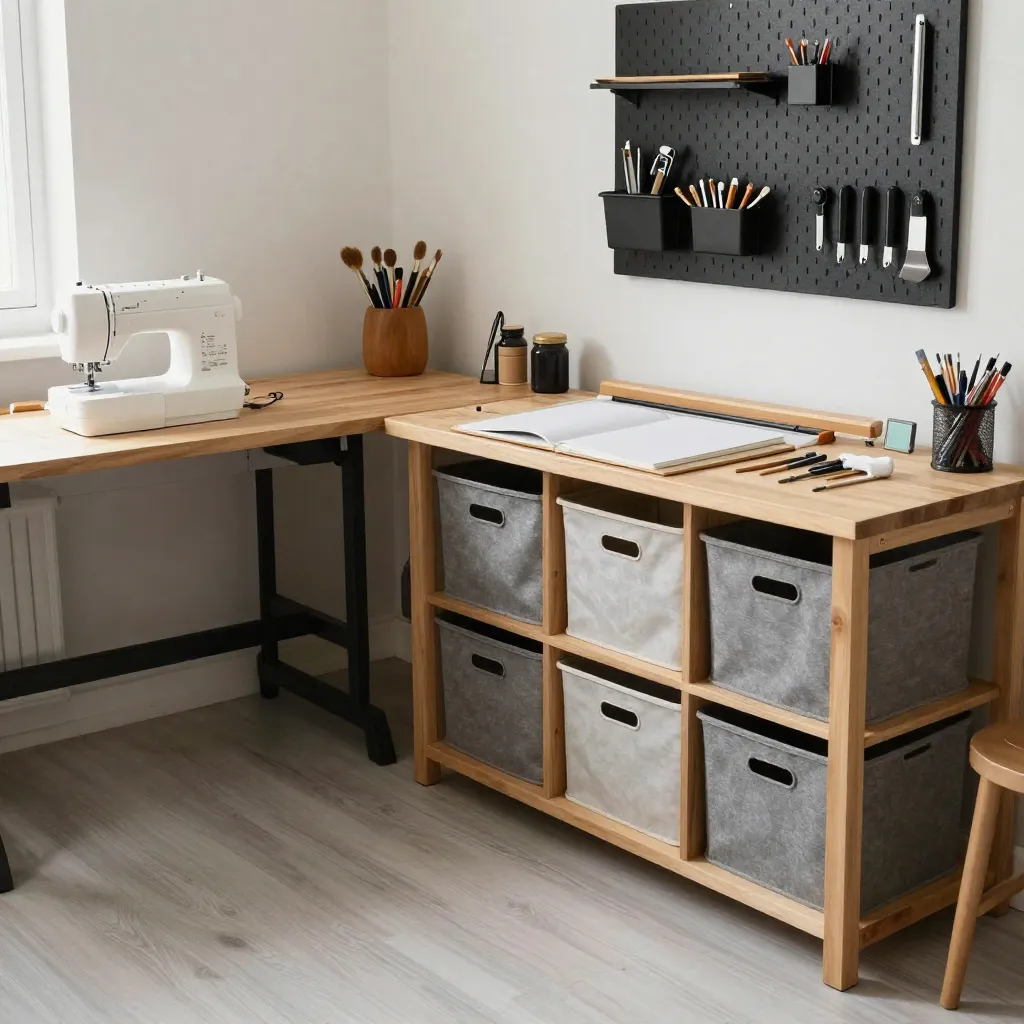
Work Surface Depth
Standard depth ranges from 60 to 80 centimeters. This provides adequate space for tools and materials without requiring excessive reaching.
Traffic Pathways
Maintain at least 90 centimeters for primary walkways. Secondary paths can be narrower but should never impede movement.
Storage Access
Shelving and cabinets positioned so doors and drawers can open fully without blocking work areas or pathways.
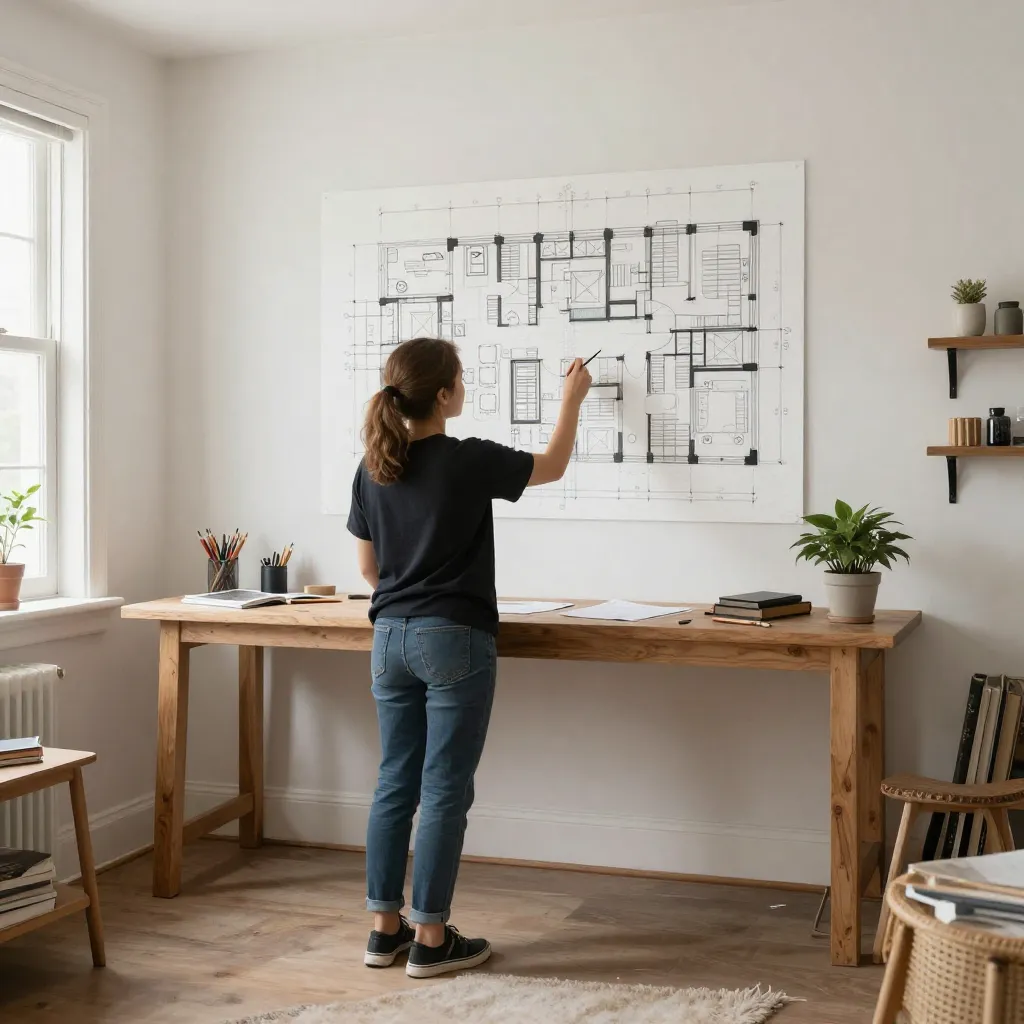
Request Your Custom Blueprint
Contact us to receive detailed spatial layouts tailored to your room dimensions and activity requirements.